
OpEd: The views expressed in this work do not necessarily reflect those of Appalachia Insider as a company.
Published by Appalachia Insider · December 16, 2024
This opinion piece was contributed to Appalachia Insider. The views expressed are those of the author and do not necessarily reflect the views of Appalachia Insider.
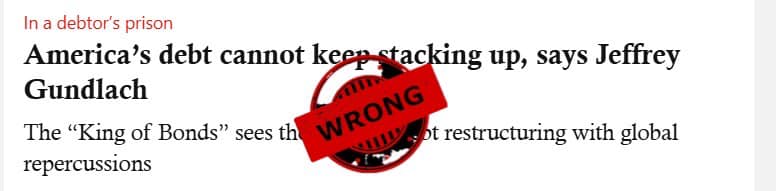
The Debt Lie: Why America Can’t Go Broke (And Why They Keep Telling You It Can)
It’s no wonder the average American has no idea how the monetary system works. We’ve been hearing the same story for decades: the U.S. is in debt, and one day the bill will come due. Even a publication like The Economist, which prides itself on understanding global economics, still runs headlines about America’s debt “stacking up,” as if the U.S. government is living paycheck to paycheck.
The problem is, that story isn’t true. The U.S. can’t be in “debt” for a currency it creates.
Let’s break it down. If you or I borrow money, we’re on the hook to pay it back because we don’t print dollars. We rely on income to cover our bills. But the federal government isn’t like a household. It’s the issuer of the U.S. dollar. It creates the money it borrows. It’s not running out—ever.
Now, that doesn’t mean the government can print endlessly without consequences. The real limit is inflation: too much money chasing too few goods. That’s the conversation we should be having. Instead, we’re told to fear the “debt” while trillions flow into tax breaks, defense spending, and subsidies that don’t benefit most people.
This framing of debt as a crisis isn’t just wrong—it’s convenient. It keeps folks thinking small. It keeps us arguing about “how to pay for it” instead of asking where the money’s going.
The truth is simple. The U.S. can’t go broke, but it can spend poorly. The real question is whether that money is being used to build something better or just to keep the same people at the top.
If a magazine like The Economist can’t get that right, how can anyone else?