
OpEd: The following information does not necessarily reflect the views of Appalachia Insider as an organization.
Published by Appalachia Insider · June 27, 2025
This opinion piece was contributed to Appalachia Insider. The views expressed are those of the author and do not necessarily reflect the views of Appalachia Insider.
**Walmart’s New Price Trick Should Terrify You
Why Surge Pricing Isn’t Innovation. It’s Exploitation.
I saw a headline today that didn’t just make me shake my head. It clarified something I’ve felt for a long time.
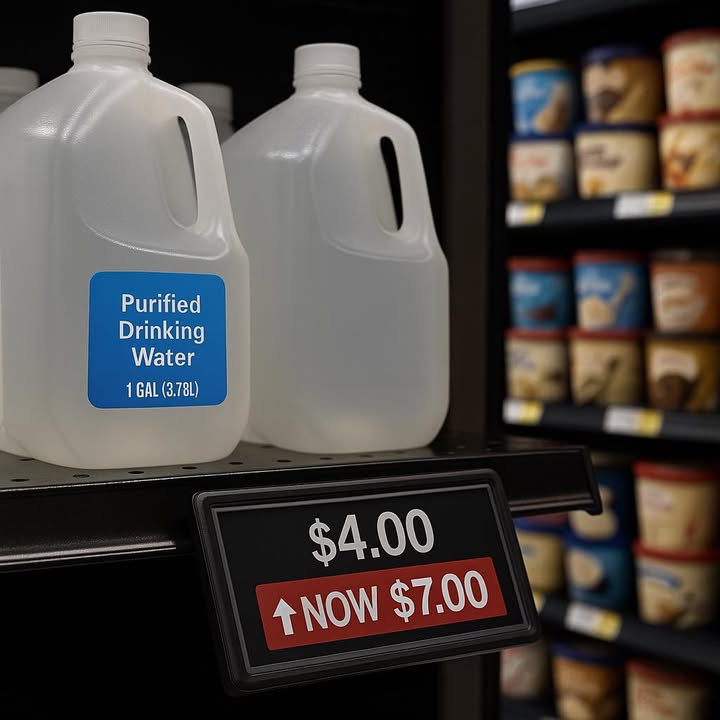
Walmart is replacing traditional price tags in over 2,300 stores with electronic shelf labels. At first glance, it sounds like a harmless modernization. Maybe even convenient. But behind that efficiency is a darker possibility: real-time surge pricing on basic goods. One analyst even said it plainly. “If it’s hot outside, we can raise the price of water and ice cream.”
That sentence should stop everyone in their tracks.
Because it doesn’t just signal opportunism. It signals a philosophical shift in how we treat people. It’s the quiet admission that in today’s economy, need isn’t protected. It’s preyed upon. If you’re thirsty in the heat, you’re not a neighbor to care for. You’re a data point to monetize.
That’s not just unethical. It’s unsustainable.
Under Stewardship Economics, the answer isn’t price controls or government-run stores. It’s not about setting prices for every item on every shelf. It’s about drawing a hard line between free enterprise and opportunistic exploitation. We regulate the moments when human need becomes a profit trigger. That’s it.
This isn’t theory. It’s how we already treat other sectors. A company that wants to operate a nuclear plant agrees to safety protocols. A company that sells pharmaceuticals goes through FDA approval. These aren’t acts of tyranny. They’re acts of responsibility. Agreements. If a corporation wants access to our communities, our infrastructure, our laws, and protections, it must play by some basic rules.
That includes this: you don’t spike the price of water during a heatwave. You don’t turn a disaster into a revenue strategy.
Some will say the market will self-correct. People will choose alternatives or wait for prices to drop. But in a heatwave, or a storm, or a crisis, there is no waiting. There is no alternative. The idea that people can just “shop around” when it’s 104 degrees and the power is out isn’t just out of touch. It’s inhumane.
What Walmart is building is not innovation. It’s a trigger system for automated price hikes, written into software and buried behind digital tags. And if we normalize it, we’ll soon be living in a country where access to food, water, and baby formula depends on the weather forecast and the AI running the store.
That isn’t capitalism. That’s a hostage economy.
Right now, the rules already exist. They’re just tilted in favor of those with the power to extract. This isn’t about stopping free enterprise. It’s about making sure the enterprise serves the people who live under its roof. If we can regulate insider trading, we can regulate algorithmic gouging. If we can require fair pricing for electricity, we can require ethical pricing for bottled water.
Under Stewardship Economics, basic goods during a declared emergency would be treated as strategic. Companies would be required to justify price changes tied to weather, time, or demand surges. Price caps on essentials would apply only when conditions justify them. Transparency would be mandatory. Exploitation would carry consequences. And businesses that want the privileges of the American market would need to accept the responsibilities that come with it.
This is not socialism. It’s discipline. It’s not a rejection of capitalism. It’s a demand to rebuild it with a purpose. A free economy is not one where corporations can write rules that only benefit themselves. It is one where systems exist to protect both the market and the public from short-term greed.
Stewardship isn’t about control. It’s about accountability. And without that, no system lasts.
Surge pricing for water on a hot day isn’t a glitch. It’s a warning.
We can do better. But only if we stop letting convenience mask cruelty, and start insisting that markets serve the people who built them.
~CA